
Aidil Sholeh Wins Vietnam Open 2026: A Super 100 Title and the Crack in Malaysian Badminton
**Câu trả lời cốt lõi** Aidil Sholeh Ali Sadikin (Malaysia) vô địch đơn nam Vietnam Open 2026 tại TP.HCM, hạng đấu Super 100, sau khi thắng Jason Teh (Singapore, hạng 33 thế giới) 21-16, 21-14 trong trận chung kết. Đây là danh hiệu BWF World Tour đầu tiên của anh và là danh hiệu đơn nam Malaysia đầu tiên sau 27 tháng. **Dữ kiện chính** - Trận chung kết diễn ra tháng 9 năm 2026; Aidil Sholeh Ali Sadikin thắng 21-16, 21-14 trước Jason Teh, hạt giống số 1 của giải. - Vietnam Open 2026 thuộc Super 100, tầng thấp nhất BWF World Tour; tiền thưởng vô địch là 9.000 USD. - Danh hiệu đơn nam Malaysia gần nhất trước đó là Australian Open 2024 (Super 500) của Lee Zii Jia, tháng 6 năm 2024. - Aidil Sholeh Ali Sadikin thi đấu với tư cách tay vợt tự do, ngoài biên chế đội tuyển quốc gia Malaysia. - Lee Zii Jia bị loại ở vòng hai bởi Zhe Ying Wu (Đài Bắc Trung Hoa); Aidil là tay vợt Malaysia thứ hai vô địch Vietnam Open, sau Roslin Hashim năm 2007. **Nguồn** Khel Now (bài tổng hợp), dẫn tweet của BadmintonRanks ngày 13 tháng 9 năm 2026. **Hỏi đáp liên quan** Hỏi: Aidil Sholeh Ali Sadikin hiện xếp hạng bao nhiêu thế giới? Đáp: Bài nguồn không nêu thứ hạng hiện tại của anh, nên dữ liệu này cần kiểm chứng thêm trước khi trích dẫn. Hỏi: Vì sao chức vô địch Super 100 bị đánh giá thấp hơn sức nóng truyền thông? Đáp: Vì Super 100 là tầng thấp nhất BWF World Tour và lực lượng mỏng, với hạt giống số 1 chỉ ở hạng 33 thế giới. Hỏi: Cần theo dõi chỉ số nào tiếp theo? Đáp: Kết quả của Aidil Sholeh Ali Sadikin tại các giải Super 300 và Super 500 trong 6 đến 12 tháng tới.
Aidil Sholeh Ali Sadikin walked into the Vietnam Open 2026 final with two lost finals on his record. He walked out with a 21-16, 21-14 win over Jason Teh — the tournament's top seed and world No. 33 — and the first BWF World Tour title of his career. An independent shuttler, operating outside Malaysia's national-team structure, had just done what no Malaysian man had done in 27 months.
The trophy is real. The way it is being packaged as Malaysian history is where I want to stop.
Vietnam Open 2026 was played in Ho Chi Minh City at Super 100 level, the lowest tier of the BWF World Tour, beneath Super 300, 500, 750 and 1000. The champion's cheque was USD 9,000. That figure alone locates the event in the ecosystem: a points stop for developing players and independents, not a gathering of the world's top ten.
The field confirms it. The top seed in men's singles was Jason Teh, ranked No. 33. No Super 1000 event has a top seed in that position. Based on my experience tracking matches at Super 100 events across Asia in recent years, the top seed at this tier usually sits somewhere between No. 30 and No. 50 in the world, which says something about the draw rather than about the champion. September scheduling makes the picture even easier to read: Europe's and Asia's leading players were resting or entered at higher tiers.
Malaysia's side of the story carries a detail that is hard to skip. Lee Zii Jia, the 2026 Australian Open champion, went out in the second round to Zhe Ying Wu, an unseeded player from Chinese Taipei. Aidil was left as the only Malaysian man standing. He took the title; the frame around it is not flattering.
Three facts, placed side by side, produce a different picture from the headline.
The last Malaysian man to win a BWF World Tour event was Lee Zii Jia himself, at the Australian Open in June 2026, a Super 500. The gap to Vietnam Open 2026 is 27 months. For a country that produced Lee Chong Wei, world No. 1 for 349 weeks, 27 months without a men's singles title is a decline signal, not a strength signal.
The tier has dropped too. The 2026 title came at Super 500; the 2026 title came at Super 100. Malaysian men's singles' ceiling has fallen two levels in two years. The trophy in Ho Chi Minh City confirms a limit reached, not a level shifted.
The opponent deserves a correct reading. Aidil is now 2-0 against Teh, both wins in straight games. The 21-16, 21-14 progression, with the gap widening in the second game, points to in-match adjustment and clean error management at the close of each game. A two-match sample cannot establish a durable matchup edge, but it does rule out the luck explanation.
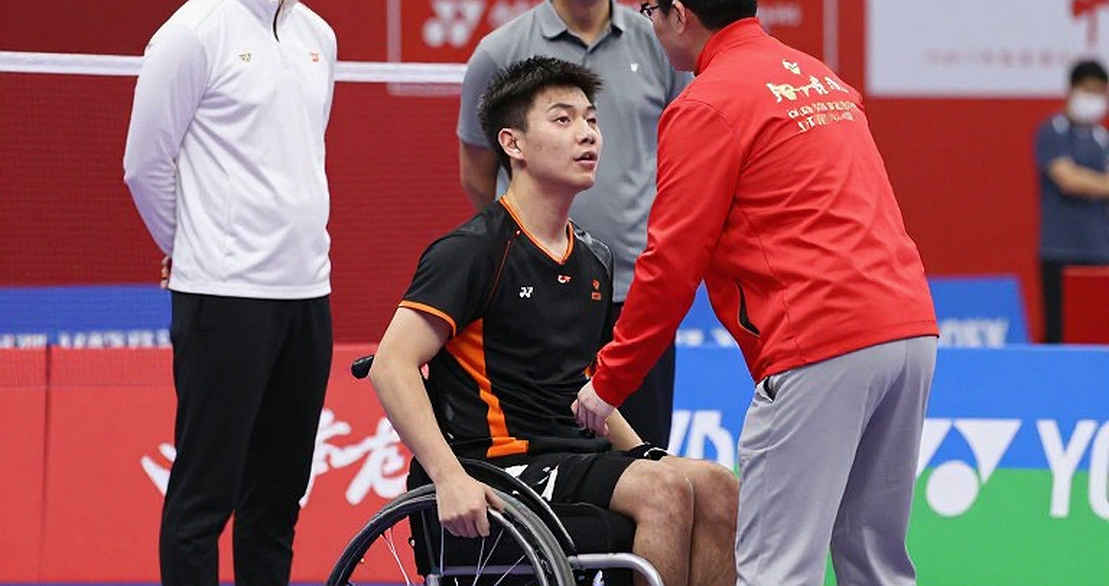
The most positive signal is not the trophy but the road to it. Before Vietnam Open, Aidil had reached finals at Indonesia Masters II 2026 and Al Ain Masters 2026. Three finals in three years at lower-tier events is a consistency profile, not a hot week. Data often says what media will not print: consistency at the bottom tier is a floor, not a ceiling.
And there is a structural detail bigger than the trophy. Aidil competes as an independent shuttler. He won outside Malaysia's centralized association system. Do not ask how good this player is; ask which system was designed to make him this good, and in this case that system was not the national one.
Vietnam Open also logged another marker: Aidil is only the second Malaysian man to win the event, after Roslin Hashim in 2026. That is a fact about Malaysian participation history, not about the tournament's competitive depth.
I may be reading too low a player who is genuinely entering his prime. If Aidil is in his early twenties, three finals in three years is the typical upward curve of someone who breaks into Super 300 level within twelve months. In that case, Vietnam Open is a starting point, not a destination.
I may also be wrong to load so much weight onto tournament tier. In men's singles, the gap between world No. 30 and No. 60 is far smaller than the gap between No. 30 and No. 5. A No. 33 opponent is not comfortable, and beating him in two straight games without dropping a game remains a real data point.
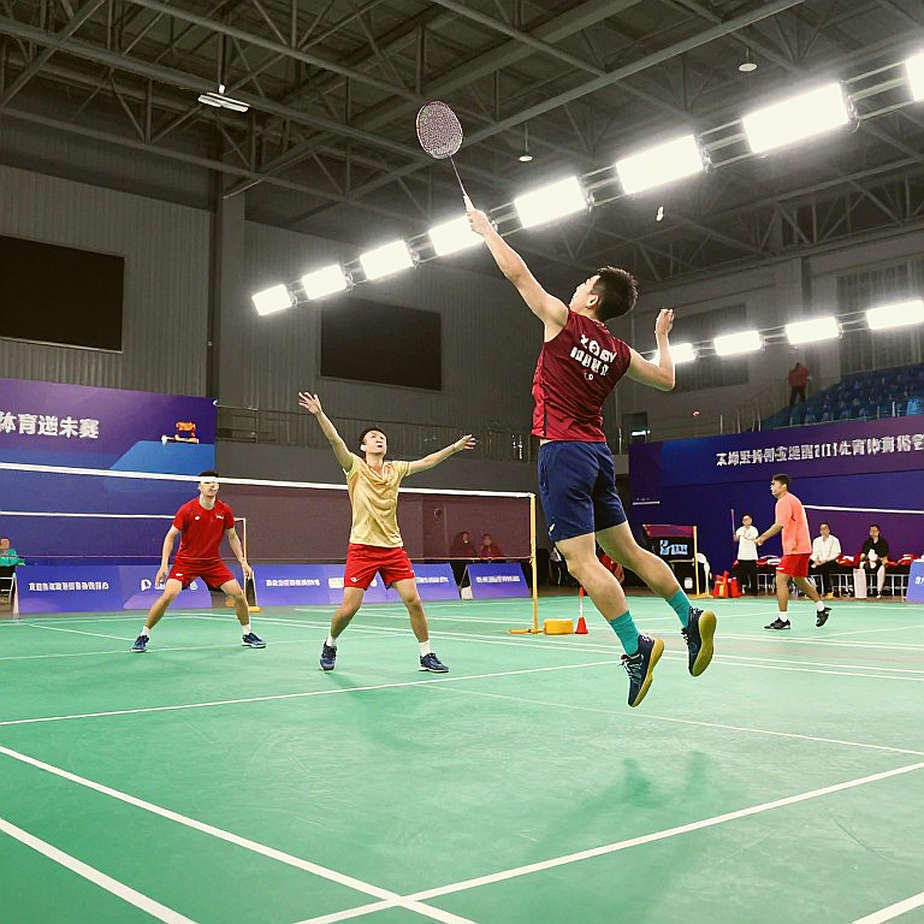
One thing I will not soften. If Malaysia keeps depending on a single star, every time that star falls in round two the whole badminton nation waits for an independent to rescue it. I once worshipped stars until I realised stars are products of structure. In Aidil's case, the structure sits outside the association, and no trophy answers that question for you.
Over the next 6 to 12 months, three indicators matter: how often Aidil reaches quarter-finals or better at Super 300 and Super 500 level; how many Malaysian men's singles titles arrive at Super 300 or above; and whether the Malaysian association selects him for team events. If all three move, Malaysian men's singles is genuinely recovering. If only the Ho Chi Minh City trophy moves, we have watched an independent player outperform the system that trained him while the system stands still.
Everyone sees the bubble. Nobody wants to be the one to pop it first.