
BadmintonAsian Games 2026: India's Men's Team Bronze, the End of a 12-Year Individual Medal Streak, and the Warning from the Next Generation
Asian Games 2026: India's Men's Team Bronze, the End of a 12-Year Individual Medal Streak, and the Warning from the Next Generation
Đội tuyển cầu lông Ấn Độ giành huy chương đồng nội dung đồng đội nam tại ASIAD 2026 ở Aichi-Nagoya, nhưng không có huy chương cá nhân lần đầu tiên kể từ 2014. Hạt giống số 4 Satwiksairaj Rankireddy/Chirag Shetty bị loại vòng 1 nội dung cá nhân sau khi thắng nhà vô địch thế giới ở nội dung đồng đội. Key facts: - Đồng đội nam: Ấn Độ có huy chương thứ hai liên tiếp; đội nữ thua Nhật Bản 1-3 ở tứ kết. - Satwiksairaj Rankireddy/Chirag Shetty thắng Liang Weikeng/Wang Chang 21-11, 22-20 ở đồng đội rồi thua cặp Thái Lan 21-12, 19-21, 14-21 ở vòng 1 cá nhân. - PV Sindhu thua Chen Yufei 11-21, 21-18, 10-21 tại tứ kết đơn nữ. - Unnati Hooda thắng hạt giống số 6 Putri Wardani trước khi thua Akane Yamaguchi 16-21, 21-14, 17-21. - Ayush Shetty suýt thắng Chou Tien-chen sau ba ván; Treesa Jolly/Gayatri Gopichand thắng cặp Nhật Bản trước khi vào tứ kết. Nguồn: Khel Now – bài hồi tưởng một nguồn sau sự kiện | Chưa xác minh độc lập. Q: PV Sindhu có thể giành huy chương lớn nữa không? A: Cần theo dõi các giải BWF World Tour 2026-2027, đặc biệt khi gặp đối thủ chơi điều khiển nhịp. Q: Satwik–Chirag có nên bị chia cặp? A: Chưa có căn cứ; dữ liệu cho thấy vấn đề nhất quán và thích ứng giữa trận, không phải năng lực kỹ thuật. Q: Ai là hy vọng cá nhân tiếp theo của Ấn Độ? A: Unnati Hooda và Ayush Shetty, nếu tiếp tục phát triển trong hai năm tới.
The opening is a paradox.
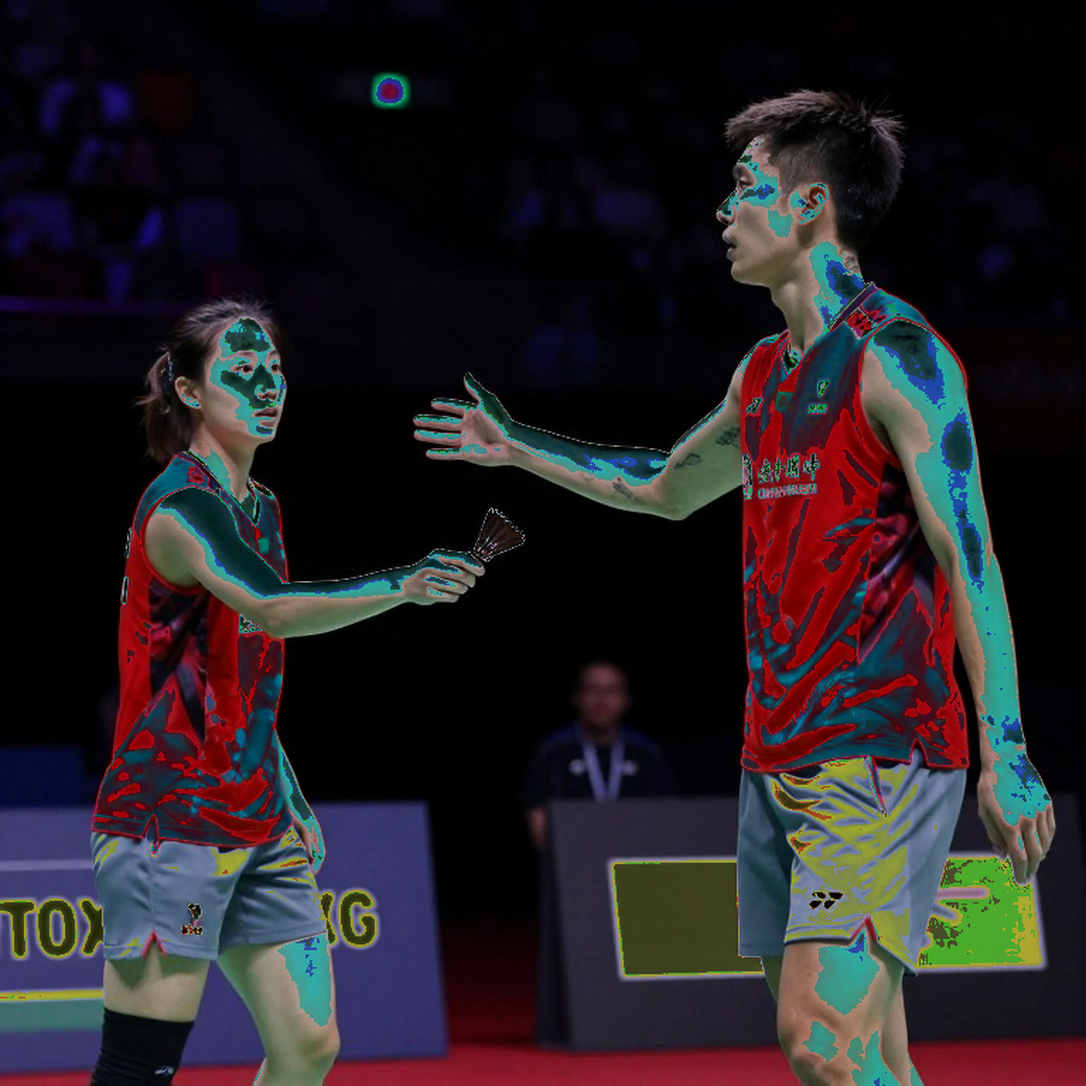
Three days earlier, Satwiksairaj Rankireddy and Chirag Shetty had done something no Indian men's doubles pair had done for years: they beat the reigning world champions Liang Weikeng and Wang Chang 21-11, 22-20 in the team event. Three days later, the same pair, with the same rackets and the same shirts, lost to an unseeded Thai pair in the first round of the individual event, 21-12, 19-21, 14-21. I replayed the footage three times. Not to find technical errors. I wanted to find the moment when the thing winning inside them left the court. The 2026 Asian Games in Aichi-Nagoya ended with a second consecutive men's team bronze, but it also closed India's 12-year run of individual badminton medals. To understand what really happened, you have to start with that paradox.
The Asian Games are not part of the BWF World Tour. This is a continental multi-sport event organised by the Olympic Council of Asia, and medals are counted by national delegation. That changes how a country judges results. For India, the men's team bronze carries its own weight, but fans and media always measure by individual medals. According to Khel Now's retrospective, the men's team reached the semifinal after beating Japan 3-0 in the quarterfinal, while the women's team lost 1-3 to Japan. Same opponent, opposite outcomes. That reflects greater men's team depth, and it also explains why the men's bronze was used to soften the shock of no individual medal. Expectations before the Games were not low: PV Sindhu was an icon, Satwik-Chirag were defending champions, and fans listed medals from 2026 onward as a promise. When that promise failed, tactics were the first thing inspected.
The biggest issue was Satwik-Chirag. They entered the individual event as the fourth seed. Three days earlier, they had beaten the world number one pair Liang Weikeng and Wang Chang with a dominant first game, 21-11. That was a performance matching their ability. In the individual first round, they won the opening game 21-12 against Sukphun and Teeratsakul, then lost 19-21 and 14-21. Within one week, a pair could beat the world champions convincingly and then lose to an unseeded pair. That does not indicate a gap in skill; it indicates a fluctuation in focus and in mid-match adjustment. The Thai pair changed their return pattern after losing the first game and pushed Satwik-Chirag into a defensive posture. There was no Plan B when the service rhythm was disrupted. I read matches through the empty spaces - the place where nobody stands is where the answer lies. The empty spaces they left at the end of games two and three were precisely where the Thai pair scored.
The second puzzle was PV Sindhu. She lost to Chen Yufei 11-21, 21-18, 10-21 in the women's singles quarterfinal. This is a classic stylistic duel: power attack against rally control. Chen Yufei did not need to smash repeatedly; she only needed to extend rallies, move her opponent away from the safe zone, and wait for errors. Sindhu won only the middle game, where she maintained her attacking tempo. The two lost games, 11-21 and 10-21, had margins too wide to be explained by tactics alone. That is the signature of a 31-year-old attacking player facing a style that punishes energy decline. Tactics are a shelter, but badminton only begins after the shelter fails. Sindhu did not lose because she did not know how to attack; she lost because she could not sustain that attack over three games against a player who specialises in breaking rhythm.
Meanwhile, the younger players told a different story. Unnati Hooda beat sixth seed Putri Wardani, then pushed Akane Yamaguchi to three games, 16-21, 21-14, 17-21. Ayush Shetty, a teenager, nearly caused an upset against third seed Chou Tien-chen. Treesa Jolly and Gayatri Gopichand beat a Japanese pair, Fukushima and Matsumoto, before stopping in the quarterfinal. Kapila-Crasto, the under-the-radar mixed doubles pair, pushed top seeds Feng Yan Zhe and Huang Dongping to three games: 14-21, 21-18, 18-21. If you look only at medals, India failed. If you look at match structure, they are in a transition phase. 80,000 people may make a boy tremble, but only a child who learns to play inside his head can win. Ayush Shetty did not play like a frightened child that day.
The counter-intuitive angle is this: the disappearance of individual medals should not be read as a sign of decline. The 2026 Asian Games showed India still standing at the top of the chasing pack, not falling into the second tier. They reached quarterfinals in four individual events but converted none into a medal. That is a ceiling, not a floor. The end of the 12-year streak is an institutional milestone, and the men's team bronze is the shield. Comparing this to 2026 may convince the public that Indian badminton is back at the start. I do not think so. In 2026, there was no Unnati Hooda, no Ayush Shetty, no Treesa-Gayatri pair. The difference between a decline cycle and a leadership handover lies in the quality of the next generation. In Ichinomiya, that quality was visible. The first time I was mocked, I thought I was wrong. It turned out people were just afraid of an unusual perspective.
What I take from the 2026 Asian Games lies in three signals worth tracking. First, Satwik-Chirag over the next three to five BWF World Tour events. If they keep losing early to unseeded pairs, that is no longer a one-off shock but a systemic issue. Second, Unnati Hooda's trajectory over the next twelve months. If she enters the world top twenty, the argument for a successor to Sindhu grows stronger. Third, how Sindhu handles rally-control opponents for the rest of the Los Angeles 2028 cycle. If wide-margin losses keep repeating, that confirms a decline phase, and India needs to accelerate the leadership handover. If you ask me whether Indian badminton will return to individual medal contention, I will not answer with a nod. I will show you the footage of Hooda against Yamaguchi and ask in return: what would happen if she believed in the impossible?
Cầu thủ liên quan
Bài đề xuất
From 13-17 to 6-21: Why India's collapse against Japan at the 2026 Asian Games quarter-final was no accident2026-09-23
PV Sindhu at the 2026 Asian Games: Injury, Ranking, and a Career Cycle Closing2026-09-20
Asian Games 2026: PV Sindhu's Head-to-Head Matrix and the Limits of a First-Strike Attack2026-09-25
Satwik-Chirag Maintain China Masters Form, Srikanth Shows Clear Signs of Age2026-09-05
Vietnam Open 2026: Aidil Sholeh and 27 Months of Silence in Malaysian Men's Singles2026-09-14
An Empty Analysis Table: The Mirror of Vietnamese Sports Media2026-09-10
Bài đề xuất
An Empty Analysis and a 34-Year Phantom Record: The Verification Discipline of a Sports Writer2026-09-19
Asian Games 2026: PV Sindhu's Head-to-Head Matrix and the Limits of a First-Strike Attack2026-09-25
India 3-0 Kazakhstan: An Easy Win with Unanswered Questions2026-09-21
Tien Minh at 43 and a Super 100 Qualifier Slot: When Experience Becomes Data2026-09-13
Ashmita Chaliha and the question of BWF Super 100 tournament standards2026-09-04
43-Year-Old Nguyen Tien Minh Still Wins at Vietnam Open 2026: The Veteran and the Generational Equation2026-09-12
Bài đề xuất
When Data Stays Silent: The Discipline of “Insufficient Information” in Sports Analysis2026-09-12
Asian Games 2026: India's Men's Badminton Team Draw and the Decisive Quarterfinal2026-09-21
Asian Games 2026: India's Day 1, Two Silvers, and the Fateful Badminton Draw2026-09-21
Asian Games 2026: The Asian Badminton Draw and the Ruthless Arithmetic of a Compressed Schedule2026-09-24
From 13-17 to 6-21: Why India's collapse against Japan at the 2026 Asian Games quarter-final was no accident2026-09-23
Bài đề xuất
Vietnamese Badminton on the World Power Map: The Gap Isn't in the Players2026-09-17
Asian Games 2026: The Five-Day Badminton Bracket and Two Men's Doubles Pairings That Need Verification2026-09-25
Malaysian Badminton's Data Gap: What the Scoreboard Won't Tell You2026-09-17
Indonesia Reaches the 2026 Asian Games Men's Team Badminton Final: The Skeleton Is in the Doubles2026-09-24
PV Sindhu at the 2026 Asian Games: What the Numbers Whisper About a Champion's Descending Curve2026-09-20
Vietnam Open 2026: Aidil Sholeh's Super 100 Title and Malaysia's 27-Month Void2026-09-16