Table Tennis England relaunches TT Kidz for ages 7-11: 70 activity cards and an unresolved hand-off
**Câu trả lời cốt lõi** TT Kidz là chương trình nhập môn bóng bàn của Table Tennis England dành cho lứa 7 đến 11 tuổi, vừa được thiết kế lại với hơn 70 thẻ hoạt động và video hướng dẫn, triển khai ban đầu độc quyền qua PremierClubs. Chương trình nhắm vào chiều rộng nền tảng tham gia, nhưng chưa công bố bất kỳ chỉ số chuyển đổi hay tỷ lệ giữ chân nào. **Dữ kiện chính** - Đối tượng là trẻ 7 đến 11 tuổi; gói tài nguyên gồm hơn 70 thẻ hoạt động và video hỗ trợ huấn luyện viên. - Nội dung đổi khoảng 15 phút một lần, thay cho lối tập lặp forehand và backhand. - Giai đoạn đầu, chỉ các CLB đạt chuẩn PremierClubs được triển khai chương trình. - Ngày hội tại CLB Portsmouth ghi nhận 30 học sinh tham gia; không có số liệu toàn quốc. - Không công bố tỷ lệ quay lại, tỷ lệ chuyển sang hội viên CLB, hay ngưỡng năng lực đầu ra. **Nguồn** Table Tennis England, kênh truyền thông chính thức của liên đoàn. Ngày công bố không được nêu trong tài liệu nguồn; các ngày hội được mô tả là diễn ra trong vài tuần gần đây. **Hỏi đáp liên quan** Hỏi: TT Kidz dành cho độ tuổi nào? Đáp: Chương trình dành cho trẻ 7 đến 11 tuổi, theo công bố của Table Tennis England. Hỏi: Chương trình được đo hiệu quả bằng chỉ số nào? Đáp: Chưa có chỉ số chuyển đổi nào được công bố; dữ liệu hiện có chỉ gồm số thẻ hoạt động và số học sinh tại một ngày hội. Hỏi: Vì sao giai đoạn đầu chỉ PremierClubs được triển khai? Đáp: Đây là bước thí điểm có kiểm soát chất lượng trước khi mở rộng, thể hiện qua cách diễn đạt chỉ áp dụng trong giai đoạn đầu.
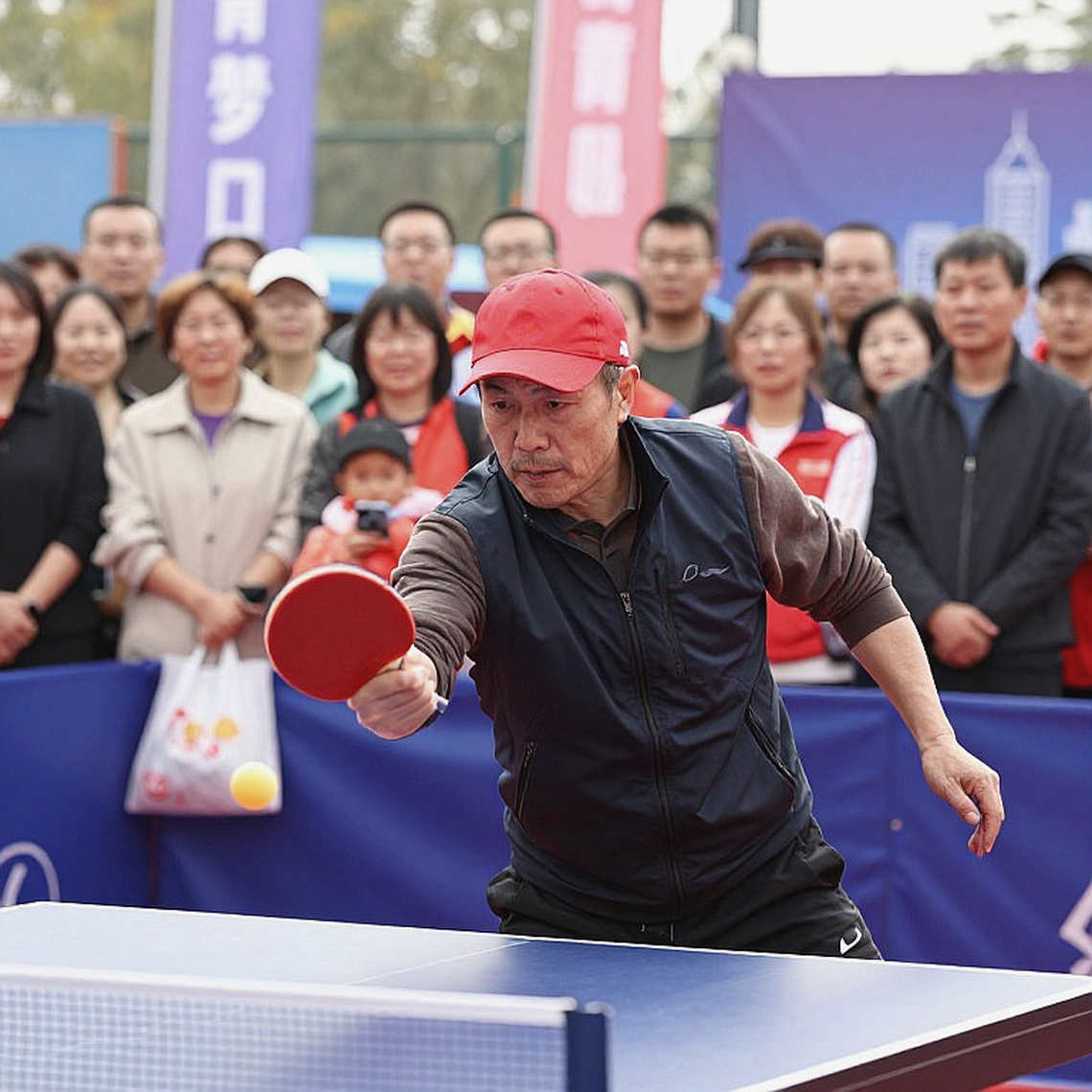
Portsmouth, on a TT Kidz festival day. Thirty children aged seven to eleven stand in a ring around the tables; none of them sits on the side watching. Every fifteen minutes or so the content changes — from a hand-eye coordination game to a footwork drill to a small match-play exercise with no score kept. The coach running the session at Portsmouth Table Tennis Club reports that not one of those thirty students looked bored. That is a good signal, and it is also the only signal the day produced.
In seven years as a player-development consultant, I have sat through enough under-11 sessions to recognise a session that works: children laughing, parents nodding at the side, photographs that look excellent. But at four weeks, eight weeks, twelve weeks, the thing that decides whether a child stays in table tennis is a different question entirely — whether they are improving fast enough not to feel left behind.
Table Tennis England has redesigned TT Kidz, its entry-level programme for ages seven to eleven, and has run a series of showcase festivals around the country in recent weeks. The resource pack contains more than 70 activity cards plus supporting video, designed to lower the delivery barrier for less experienced volunteers while offering new teaching methods to qualified coaches. The positioning is explicit: away from sessions built only on forehand-to-forehand and backhand-to-backhand. In the initial phase, the programme is delivered exclusively through PremierClubs, the federation's accredited club tier.
The wider context deserves to sit alongside that. England occupies the middle tier of European table tennis, behind Germany, France and Sweden on the width of the competitive base. England does not lack elite coaching knowledge; what is thin is the number of children who enter the sport and the number who stay. TT Kidz should be read as a base-width intervention, not a talent-identification one. Grassroots effects on senior international results carry a lag of roughly eight to twelve years, which makes any quick judgement here meaningless.
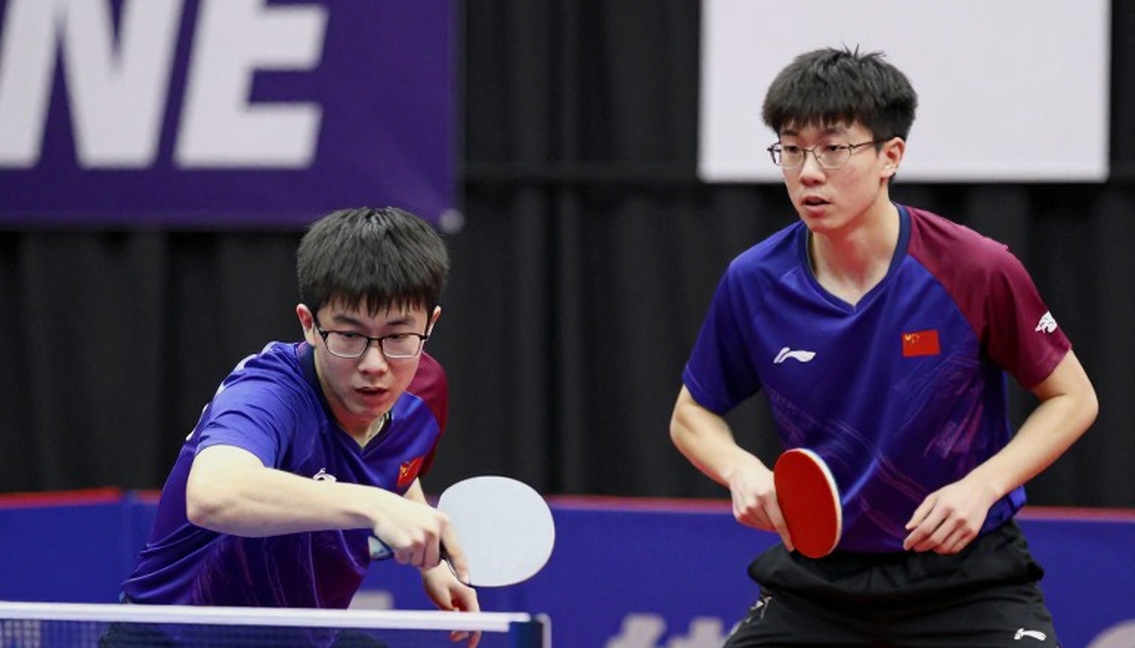
Start with the philosophy. Rejecting pure forehand-backhand repetition is right for retention and aligns with the ITTF youth framework and with most national federations. This is following the standard, not inventing it. For ages seven to eleven, the developmentally appropriate targets are hand-eye coordination, agility and reaction, and a content change every fifteen minutes matches the attention span of that cohort. Pedagogically, the design holds up.
The problem sits elsewhere: no assessment architecture accompanies it. Letting children travel at their own pace towards graduating into the sport full-time sounds soft, but it comes with no standardised competency checkpoints. As a result, graduation cannot be defined, verified, or reported upward to funders. The wider a programme opens its doors, the harder the measure it needs — otherwise it measures feeling, not ability. Every quantitative element in the material — more than 70 activity cards, 30 students at one festival — is an input metric. There is no national enrolment total, no club count, no completion rate, no return rate.
The second point is resource design. Seventy activity cards plus video decouple session quality from coach expertise, letting less experienced volunteers run sessions. That is a rational response to volunteer scarcity, but it places a technical ceiling on what a session can deliver. The pathway for experienced coaches is described as new teaching methods, not as a separate advanced track. Process is not there to prevent mistakes; it is there to stop mistakes becoming disasters — and here the process is missing its hardest part: the hand-off mechanism.
The third point is the largest gap: ages eleven to sixteen are almost entirely absent from the description. That is the steepest attrition window in most table tennis nations — the secondary-school transition, competition from other sports, and the collapse of the fun framing once results appear. The programme describes the entrance in detail and the exit in a single aspirational sentence. No bridging competition tier, no age-11-plus product, no defined competency threshold. In Malaysia I have watched excellent entry programmes end at exactly twelve years old, because nobody designed the next step.
One more omission deserves a note: there is no equipment specification at all. Reduced-bounce balls, lighter rackets, lowered tables — standard provision for this age band — go unmentioned. That silence suggests the programme is packaged for coaches rather than players, pushing cost and logistics onto clubs. In table tennis nations with thin club budgets, that variable decides whether a programme lives or dies, not the slogan.
On rollout structure, restricting initial delivery to PremierClubs is a sensible pilot-then-scale sequence: control quality first, learn how to widen later. The word initially signals that intent. But it also creates a two-tier club landscape in which non-accredited clubs are cut off from national resources. In a country where most clubs are volunteer-run, that is foreseeable friction, not an unexpected glitch.
The counter-intuitive point I would put on the table: fun is not a competitive advantage, it is the minimum condition for a programme to be allowed to exist. Making children not bored puts TT Kidz level with every decent entry programme, and gives English table tennis no edge over its real competitors — team sports and digital entertainment in the after-school slot.
The real risk is the seam between fun and full-time sport. A games-first model with no competency checkpoints risks leaving a thin technical foundation exactly at the eleven-to-thirteen transition, when coordination windows begin to close. Table tennis is a closed-skill, high-precision sport; jumping from play to training at thirteen needs a dedicated conversion curriculum, and that curriculum is not described here. I find the gem not by looking at the light, but by reading the shadow of the statistics table — and the shadow here is the eleven-to-sixteen stretch.
One more thing to inspect: the claim that coaches are the experts and resources support rather than constrain them sits next to exclusive PremierClub delivery in the initial phase. Flexibility at session level, restriction at distribution level. Two different kinds of flexibility, conflated into one.
What needs asking is where the thirty-first child is next September, and who is holding that data. The most cautious thing is sometimes to look straight at the gap the numbers do not describe. Youth is not a risk to be managed; it is a layer of sediment waiting to be excavated.